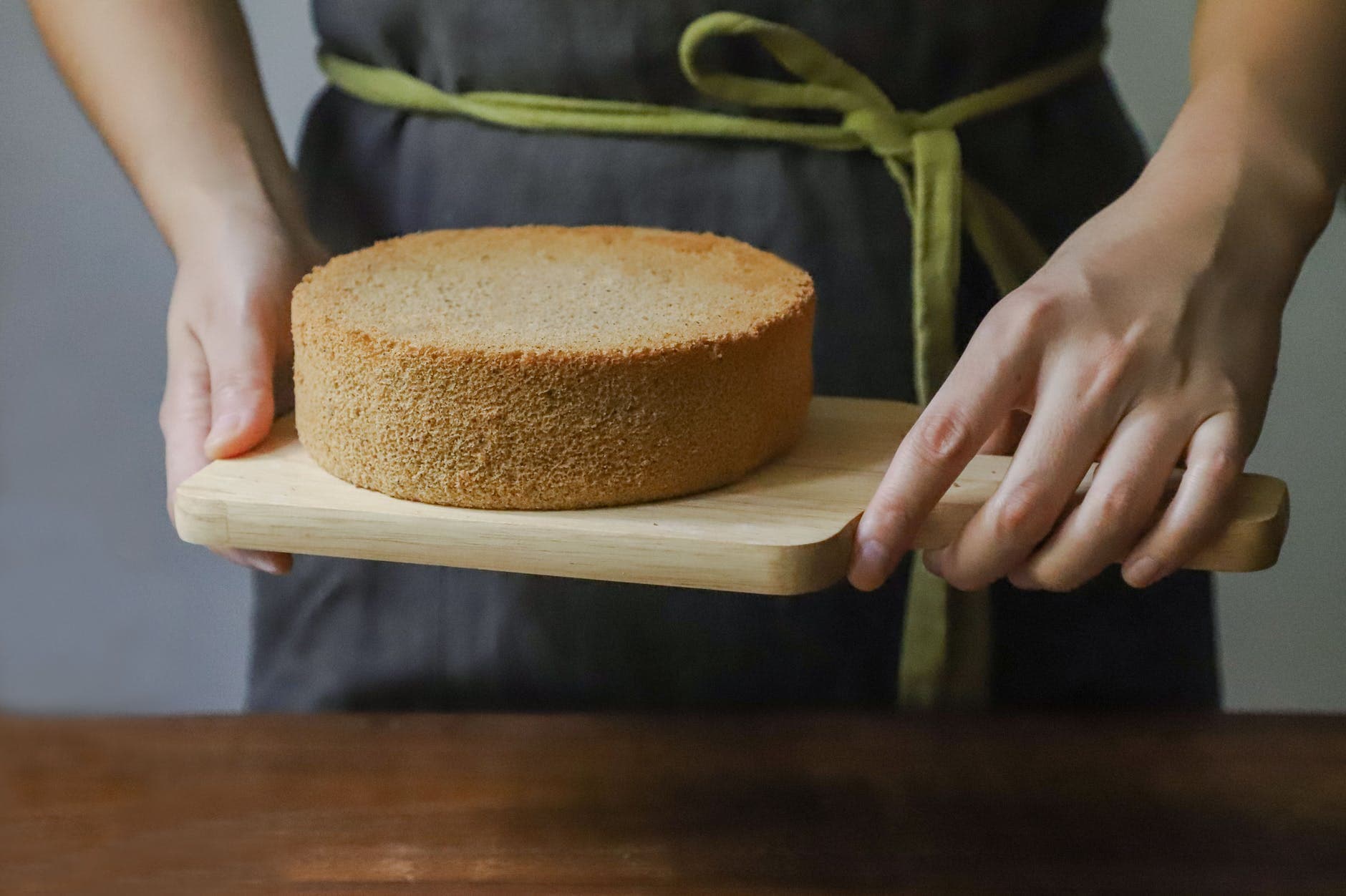
instead of being processed and loaded with chemicals. Baking at home is a great way to get back in touch with your creativity and make beautiful things that you can share with friends or family. You’ll also feel better about enjoying the things you make because they’re made with love.
This guide will teach you the science behind baking so that you can take your baking skills to the next level. You'll learn how to make everything from muffins to pies, all while understanding the chemistry that's happening in every step of the process. Check out these great baking recipes today!
Baking as an art
Baking is a true art form and one that is not only enjoyable but also therapeutic. It’s a great way to express your creativity and to get back in touch with your culinary skills. Whether you want to spend an afternoon experimenting with new recipes or you want a quick fix for dinner, baking is always the answer.
Baking at home is a great way to enjoy fresh ingredients and make foods that are healthier for you than what’s offered in the store. Baking really allows the baker to be creative and explore different techniques, so no two baked goods will ever taste the same!
Understanding baking science
Baking is an art. It’s about more than following a recipe! It's about understanding the science behind baking too. Take these steps and learn how to make your favourite baked goods at home.
- 1) Understand what ingredients are in your food
- 2) Learn the different types of recipes and why they work
- 3) Practice making pies, bread, cookies, and more
- 4) Understand why you're using certain ingredients
- 5) Learn how to identify different types of dough
Recipes and Ingredients
One of the best parts about baking at home is that you know what goes into your food. You can use fresh, wholesome ingredients and avoid processed, artificial additives.
When you bake from scratch, you also have more control over how healthy your baked goods are. One of the major components of a recipe is the type of flour used, which can drastically change the nutritional value of what you’re baking. Whole wheat flour has more fibre and protein than white flour, but all-purpose flour will give you a better consistency for delicate foods like pastries and biscuits.
There are many other things to consider when deciding on a recipe. You should always refer to the recipe beforehand to make sure it has the right balance of butter, sugar, eggs, and so on for what you want in your finished product. In some cases, substitutions can be made as long as you follow similar measurements for whatever ingredient you’re replacing in a recipe.
A good rule of thumb is that if something doesn't seem very appetizing or isn't in line with your tastes then don't try it! You know your taste buds better than anyone else so trusts them!
Equipment and Tools
Baking is an art that can be difficult to master, but with the right tools and equipment, it's easy to make delicious baked goods. Here are a few pieces of equipment that you'll need:
- A wooden spoon: A good wooden spoon is a must-have for any baker because it will help you stir ingredients together and scrape bowls.
- Measuring cups and spoons: You'll need these items for measuring ingredients like sugar, flour, and eggs. They're important for baking success, so be sure to have three sets on hand--one for dry ingredients, one for wet ingredients, and one for liquid ingredients.
- Stand mixer or handheld electric mixer: If you don't have one of these, you might find it difficult to get your cake batter or cookie dough fluffy enough. These appliances will also save your arm from getting tired!
Baking Tips, Tricks, and Ideas
You can find a ton of recipes for homemade cakes and cookies on the internet. A lot of them look delicious, but it might be difficult to know which recipe is going to work best for you. That’s where this guide comes in.
In these pages, you’ll learn about all kinds of baking tips, tricks, and ideas that will help you bake delicious things with ease.
This guide will teach you everything you need to know about baking, including how to make your own baking mixes and flavour extracts. You’ll also learn about the history of baking and what happens when the batter goes into the oven.
Bake your way through this complete guide and get ready to impress everyone!
FAQs
- What are the benefits of a homemade pie crust? - A homemade pie crust is made with fresh, high-quality ingredients and provides all the flavour you’ve come to expect from pies. - Homemade crusts can be made ahead of time and stored in the freezer for later use.
- What are the benefits of using baking soda in a recipe? - Baking soda is used as a leavening agent, which adds air to create baked goods with more volume. - Baking soda reacts with an acidic ingredient like vinegar or lemon juice to give off bubbles that produce baked goods with height and texture.